


Lipedema: Causes, Symptoms, and Modern Treatment Options
Many women are familiar with the feeling: the legs become increasingly larger, feel heavy and tight, while the upper body and arms remain slim. Diets show little effect, and even light touch can be painful. Behind these complaints there is often lipedema—a chronic disorder of fat distribution that for a long time was misunderstood and frequently mistaken for simple obesity. Those affected struggle not only with physical symptoms but also with psychological stress, as their complaints are often not taken seriously. Lipedema is, however, a recognized medical condition that can be treated in a targeted manner.
What Is Lipedema?
Lipedema is among the most common yet also the most frequently overlooked conditions affecting women. Despite its characteristic symptoms, years often pass before the correct diagnosis is made. Many patients have endured a long period of suffering because their symptoms were misinterpreted or trivialized.
Definition and Medical Classification
Lipedema is a chronic disease of adipose tissue in which pathologically altered fat cells accumulate primarily in the legs, hips, and sometimes the arms. These fat deposits are symmetrically distributed and cannot be reduced through diet or exercise. The condition was first described in 1940 by the American physicians Allen and Hines. The disease belongs to the group of fat distribution disorders and affects almost exclusively women. The pathologically altered fat cells tend to retain fluid, leading to swelling and pain. Unlike normal fat tissue, the affected tissue is highly sensitive to pressure and touch.
Distinguishing Lipedema from Obesity and Lymphedema
Differentiating lipedema from other conditions is crucial for choosing the right treatment. There are clear characteristics that allow this distinction:
- In obesity, fat is distributed evenly throughout the body and can be reduced through diet and physical activity.
- In lymphedema, there is a disorder of the lymphatic system that leads to one-sided swelling and can also affect the hands and feet.
- In lipedema, the hands and feet are spared, while the legs are thickened in a column-like shape.
- In lipedema, the skin feels soft and doughy, whereas in lymphedema it tends to feel firm.
Pain in lipedema is significantly more pronounced than in simple obesity, which is an important distinguishing feature.
Causes of Lipedema
Research into the causes of lipedema has made significant progress in recent years. Nevertheless, many questions remain unanswered. What is clear, however, is that several factors interact and that the condition is not caused by lifestyle or diet. This insight is important in relieving those affected of feelings of guilt.
Hormonal Influences and Genetic Factors
The exact causes of lipedema have not yet been fully clarified, but hormonal factors play a central role. The condition often begins during phases of hormonal change:
- Puberty
- Pregnancy
- Menopause
- After starting or discontinuing hormonal contraceptives
These temporal associations point to a strong influence of female sex hormones. Genetic predisposition is also significant, as lipedema occurs more frequently within families. If a mother or sister is affected, the risk increases considerably.
Why Almost Exclusively Women Are Affected
Around 90 to 95 percent of those affected are women. Men develop the condition only in very rare cases, usually when hormonal disorders are present. The reason lies in female sex hormones, particularly estrogen, which influences fat distribution and the structure of connective tissue. Women naturally have softer connective tissue and a different pattern of fat distribution than men. These biological differences make them more susceptible to developing lipedema.
Typical Symptoms of Lipedema
The symptoms of lipedema can vary in severity from one woman to another. What all affected individuals have in common, however, is that their quality of life is significantly reduced by the condition. The combination of physical pain and visible changes often leads to social withdrawal and psychological stress.
Sensitivity to Pain and Pressure
A characteristic feature of lipedema is the pronounced sensitivity to pain in the affected tissue. Even light touch or pressure can be uncomfortable to painful. Many patients report the following complaints:
- A constant feeling of tightness in the legs that worsens over the course of the day
- Dull, pressing, or burning pain
- Increased discomfort when standing for long periods or in warm temperatures
- Pain caused by tight-fitting clothing
- An unpleasant sensation when crossing the legs
These symptoms significantly restrict daily life and make everyday activities a challenge.
Disproportionate Fat Distribution
Fat distribution in lipedema follows a typical pattern. While the upper body, face, and often the upper abdomen remain slim, fat accumulates mainly in the legs. This disproportion is psychologically distressing for many affected women. The legs appear column-like and may be almost abruptly demarcated from the hands and feet. In some women, the arms are also affected; this is then referred to as arm lipedema.
Tendency to Bruising and Feeling of Tightness
Those affected bruise very easily, even after minimal bumps or contact. This tendency to hematomas is caused by increased permeability of the small blood vessels in the altered fatty tissue. The tissue often feels tight and swollen, especially in the evening or after prolonged standing.
Stages and Progression of Lipedema
The condition progresses through different stages that vary in severity and presentation. Classification into three stages helps physicians assess the course of the disease and choose the appropriate therapy. Not every patient goes through all stages, and the speed of progression varies greatly from individual to individual.
Lipedema Stage I
In the first stage, the surface of the skin is still smooth, but the subcutaneous tissue already feels nodular. The fat structure shows fine, wavy changes that can clearly be felt on palpation. Externally, the changes are often still subtle, but typical symptoms such as pressure pain and sensitivity to touch are already present. At this early stage, conservative measures can still achieve a great deal, which is why early diagnosis is so valuable.
Lipedema Stage II
The second stage is characterized by clearly visible irregularities of the skin. The surface shows a wavy structure, and coarser nodules develop in the subcutaneous tissue. Dents and elevations become increasingly visible and palpable. Pain often intensifies at this stage, and mobility may be restricted. Many patients report a growing feeling of heaviness in the legs.
Lipedema Stage III
In the advanced third stage, large, deforming fat lobules have developed. The skin shows pronounced hardening and overhanging areas. The legs are severely enlarged and may rub against each other, leading to skin problems. At this stage, mobility is often significantly limited, and those affected suffer from severe physical discomfort.
Diagnosis of Lipedema
An accurate diagnosis is the foundation for successful treatment. Unfortunately, lipedema is still frequently overlooked or confused with other conditions. This makes it all the more important for physicians to recognize the typical signs and take patients seriously. Making the diagnosis requires experience and a trained clinical eye.
Clinical Examination and Medical History
The diagnosis of lipedema is primarily based on a careful physical examination and a detailed medical history. The physician pays attention to the following features:
- Symmetrical fat distribution on both sides of the body
- Sparing of the hands and feet
- Pressure-related pain in the tissue
- Tendency to bruising
- Time of onset, often during phases of hormonal change
- Family history and genetic predisposition
The temporal course of symptoms also provides important clues. Imaging techniques such as ultrasound may be used as supplementary tools but are not strictly necessary.
Why Early Diagnosis Is Crucial
The earlier lipedema is identified, the better its progression can be influenced. In the early stages, conservative measures can significantly alleviate symptoms and slow progression. Patients benefit from targeted treatment and no longer have to live with feelings of guilt or misguided advice.
Conservative Treatment Options
Not every case of lipedema requires surgery. Especially in the early stages, conservative measures can markedly reduce symptoms and improve quality of life. These forms of therapy often also form the basis of long-term management, even if surgical intervention is performed later. Consistency and patience are key to success.
Compression Therapy
Compression therapy is a cornerstone of conservative treatment. Wearing medical compression stockings or compression tights provides continuous support to the tissue. This reduces swelling, relieves pain, and improves the feeling of tightness. Compression garments should be worn daily, ideally from getting up in the morning until going to bed at night. The stockings are individually fitted to ensure optimal pressure and wearing comfort. Many patients report noticeable relief in everyday life. However, compression therapy is not a cure, but a symptomatic treatment that must be continued on a long-term basis.
Manual Lymphatic Drainage
Manual lymphatic drainage is a specialized massage technique that promotes the removal of excess fluid from the tissue. Gentle, rhythmic movements stimulate the lymphatic system and reduce swelling. The treatment should be performed by specially trained therapists. Regular sessions—often two to three times per week—can significantly alleviate symptoms. Manual lymphatic drainage is frequently used in combination with compression therapy to enhance its effect.
Exercise and Lifestyle
Regular physical activity is important to strengthen the muscles and promote circulation. Joint-friendly sports are particularly suitable:
- Swimming and aqua aerobics
- Cycling on flat terrain
- Walking or Nordic walking
- Yoga and Pilates
- Water-based exercise
The water pressure during swimming acts like natural compression and relieves the legs. A balanced diet can help prevent additional weight gain, even though it does not influence lipedema itself.
Modern Surgical Treatment of Lipedema
If conservative measures are not sufficiently effective or the condition is advanced, surgical treatment may be appropriate. Liposuction has become an established and effective method for permanently removing pathological fatty tissue. In contrast to purely aesthetic procedures, the primary focus here is medical necessity.
Liposuction as a Medical Therapy
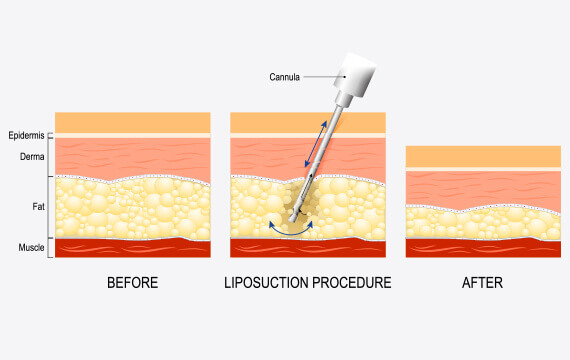
Liposuction, or surgical fat removal, is currently the only method by which pathological fatty tissue can be permanently removed. During the procedure, the altered fat cells are gently suctioned out, resulting in a significant reduction in volume. The procedure is performed in specialized clinics and requires medical expertise. Unlike purely cosmetic liposuction, the treatment of lipedema is driven by medical indication. In certain cases, health insurance providers may cover the costs if conservative measures have not provided sufficient relief.
Treatment Goals: Pain Relief and Quality of Life
The primary goal of surgical treatment is to reduce pain and improve mobility. Many patients report a marked reduction in pain and decreased sensitivity to touch after the procedure. The feeling of tightness in the legs diminishes, and the tendency to bruise decreases. Regained freedom of movement makes it possible to participate more actively in daily life and engage in sports. Psychological stress also decreases as physical symptoms improve. The aim of treatment is to sustainably enhance quality of life and restore a sense of normalcy for those affected.
Limitations and Realistic Expectations
Even though liposuction is highly effective, there are limitations that patients should be aware of:
- The procedure can remove pathological fatty tissue but may not completely eliminate all symptoms
- The skin needs time to retract and adapt after surgery
- In very advanced cases, multiple procedures may be necessary
- Conservative measures such as compression therapy must be continued even after surgery
- A healthy lifestyle supports long-term results
Realistic expectations and thorough patient education are crucial for satisfaction after treatment.
Treatment Approach at Dr. Kelly®
In the treatment of lipedema, medical expertise is combined with a holistic view of the patient. Every woman brings her own history and individual needs, which must be taken seriously. The treatment approach follows the most up-to-date medical standards while also taking the patient’s personal situation into account.
Individual Consultation and Careful Planning
Every patient with lipedema has her own story and individual needs. At Dr. Kelly®, personal consultation therefore comes first. During a detailed initial consultation, symptoms, medical history, and personal goals are discussed. Together, suitable treatment options are identified and realistic expectations are defined. Planning is carried out carefully and takes into account all medical and personal aspects.
Medical Expertise and Gentle Techniques
Treating lipedema requires specialized knowledge and experience in liposuction. At Dr. Kelly®, modern and gentle techniques are used to minimize stress on the tissue as much as possible. Expertise in plastic surgery allows for precise work and optimal results. The latest technologies and high safety standards are a given. The team has extensive experience in treating fat distribution disorders and works with the utmost care.
A Holistic View of Health and Aesthetics
Lipedema treatment is not viewed in isolation, but as part of a holistic concept. The body, health, and well-being are understood as an integrated whole. The goal is not only to remove fatty tissue, but to restore quality of life and self-confidence. This holistic approach also considers psychological aspects, as many patients have endured a long period of suffering.
Aftercare and Long-Term Results
The period following lipedema treatment is just as important as the procedure itself. Only consistent aftercare and adherence to specific measures can ensure long-term stability of the results. Post-treatment care is a process that requires patience and discipline, but it pays off in a significantly improved quality of life.
Importance of Aftercare
After liposuction, aftercare is crucial for healing and the final outcome. Patients should consistently follow these measures:
- Wearing compression garments for several weeks
- Regular follow-up appointments to monitor the healing process
- Manual lymphatic drainage to support recovery
- Rest during the first weeks, followed by a gradual increase in activity
- Adequate fluid intake and a healthy diet
Quality of Life After Lipedema Therapy
Many patients report a marked improvement in their quality of life after treatment. Pain decreases, mobility improves, and self-confidence returns. Everyday activities such as shopping, walking, or exercising become possible again and enjoyable. Psychological relief is often just as significant as physical improvement. Those affected feel comfortable in their bodies again and are able to participate more actively in social life.
Schedule Your Personal Consultation at Dr. Kelly®
If you suspect that you may have lipedema, or if you already have a diagnosis and are seeking treatment options, a personal consultation is worthwhile. At our clinic, you can expect an environment where your concerns are taken seriously and you feel understood. The consultation is tailored to you and takes your personal situation into account. Together, a treatment plan is developed that suits you and offers realistic prospects. Take charge of your health and arrange a non-binding consultation.


