


Facelift: Tightening and Rejuvenation with Modern Techniques
A facelift today is far removed from what many people imagine it to be. Instead of overly tightened skin and mask-like features, the focus is on restoring a natural, fresh appearance. Modern techniques work with the anatomical structures of the face, not against them.
Rather than simply tightening the skin, tissue is repositioned, volume is balanced, and the natural dynamics of the face are preserved. The goal is not to look younger than one is, but to look the way one feels. Many people feel that their reflection no longer matches their inner vitality. A well-performed facelift can resolve this discrepancy without changing personal identity. It is a surgical procedure that requires experience, aesthetic sensitivity, and a deep understanding of individual facial proportions.
The Modern Approach to Facelifts
Facial surgery has evolved significantly over the past decades. In the past, the primary focus was on tightening the skin, which often led to unnatural results. Today, surgeons work with multiple tissue layers simultaneously.
The SMAS (Superficial Muscular Aponeurotic System) plays a central role. This muscular connective tissue layer lies beneath the skin and gives the face its shape. Modern approaches offer several advantages:
- Longer-lasting results by working in deeper tissue layers
- A more natural appearance without overstretched skin areas
- Preservation of facial expressions and movement
- Reduced risk of visible scars through improved incision techniques
When the SMAS is lifted and repositioned, the result blends harmoniously into the natural facial architecture.
Rejuvenation Through Restoration of Natural Facial Features
A modern facelift aims to restore the original facial architecture. Over the years, tissue shifts downward, volume diminishes in some areas, and accumulates in others. The jawline loses definition, cheeks appear hollow, and nasolabial folds deepen.
Instead of merely pulling the skin tight, tissues are repositioned to where they anatomically belong. This restores the youthful three-dimensionality of the face.
Understanding Age-Related Changes in the Face
Facial aging is a complex process that affects different tissue layers. The skin loses elasticity, the underlying fat tissue changes its distribution, bones undergo slight resorption, and muscles lose tone. These changes do not occur evenly.
Some people develop deep wrinkles early, while others mainly experience sagging facial contours. Genetics, lifestyle, sun exposure, and individual facial expressions all play a role.
Skin, Tissue, and Why Creams or Minimally Invasive Treatments Are Often Not Enough
Skincare products and non-surgical treatments can improve skin quality, reduce fine lines, and refine the complexion. However, when deeper tissue layers have loosened and gravity has left its mark, these methods reach their limits:
- Creams only act superficially on the epidermis and cannot lift sagging tissue
- Injectables such as hyaluronic acid can add volume but cannot replace structural tightening
- Laser treatments improve the skin’s surface but do not change tissue position
- Thread lifts offer temporary results without surgical precision
Beyond a certain degree of tissue laxity, surgery is the only way to achieve a clearly visible and long-lasting result.
Goals and Possibilities of a Modern Facelift
The primary goal is the restoration of harmonious facial proportions. The procedure does not follow a standardized beauty ideal but is tailored to the individual characteristics of each face. A successful facelift removes signs of fatigue, gravity, and tissue sagging. The face appears refreshed, well-rested, and vital. Facial expressions remain fully intact—smiling and frowning function just as before.
Preserving Facial Expressions and Individual Features
One of the greatest concerns many people have is losing their natural expressiveness. Modern techniques take facial movement patterns into account and are performed in a way that allows expressions to function without restriction.
Incisions are planned carefully to protect nerves. Characteristic features such as a defined jawline or prominent cheekbones are not leveled out but emphasized. Every face has its own architecture, and this forms the foundation of the surgical planning.
Different Facelift Techniques and Their Areas of Application
There is no single facelift suitable for everyone. Depending on the initial situation, different techniques are used, varying in scope and depth:
- Mini facelift for mild sagging in the lower third of the face with smaller incisions
- Classic SMAS facelift for moderate to more pronounced changes, working in deeper tissue layers
- Deep plane facelift for comprehensive corrections in cases of significant tissue laxity
- Mid facelift for targeted treatment of the midface and cheek area
The choice of method depends on anatomical factors, the degree of aging, and individual goals.
Adaptation to Age, Skin Quality, and Facial Structure
Not every technique is suitable for every patient. Younger individuals with good skin quality often only require moderate tightening, while more advanced skin aging may call for more extensive measures.
Skin thickness also plays a role: thicker skin often heals with less visible scarring, whereas thinner skin requires especially precise work. Facial shape also influences the choice of technique.
Planning Based on Individual Conditions
Every procedure begins with a thorough analysis. Not only visible signs of aging are considered, but also tissue quality, skin thickness, and natural facial expressions. Photographs from different angles help document the initial situation.
During the consultation, realistic goals are discussed and potential outcomes are visualized. These wishes are incorporated into the surgical plan—always within the boundaries of what is anatomically sensible and aesthetically harmonious.
The Aesthetic Approach of Dr. Kelly®
At Dr. Kelly®’s practice, natural beauty is the focus of every treatment. Faces are not altered according to templates; instead, their individual aesthetics are highlighted and refined.
This approach requires a trained eye for proportions, symmetry, and the subtle nuances that make a face unique. Every facelift is viewed as an artistic endeavor that combines surgical skill with aesthetic understanding.
Analysis of Proportions and Facial Dynamics
Before surgery, the face is analyzed both at rest and in motion. How do the tissues behave when smiling? Where do wrinkles form? These observations flow into the surgical strategy.
Proportions are measured: the relationship between the forehead, midface, and lower jaw, the positioning of the cheekbones, and the symmetry of both halves of the face. Small asymmetries are normal and contribute to a face’s natural vitality.
Long-Term Planning Instead of Short-Term Effects
A well-performed facelift should last for years. Therefore, surgery is not planned for the moment alone, but with the next ten to fifteen years in mind. The technique is chosen so that the result ages naturally.
Tissue is positioned in a way that remains harmonious even as the aging process continues. This sustainability is what distinguishes a thoughtfully planned surgical procedure from a purely cosmetic intervention.
Areas Affected by a Facelift
A facelift primarily affects the lower third of the face and the neck, but depending on the technique, it can also include the midface. Typical changes can be seen in the following areas:
- Cheeks: Sagging tissue is lifted and contours are restored
- Nasolabial folds: They become softer when the midface is elevated as well
- Jawline: The contour becomes more clearly defined and jowls are reduced
- Neck: Loose skin is tightened and a double chin can be corrected
- Corners of the mouth: They are slightly lifted, giving the face a less tired appearance
These areas are anatomically connected, which is why a holistic approach is important.
Harmonious Transitions Instead of Isolated Corrections
Treating individual areas in isolation often leads to unnatural results. If only the cheeks are tightened while the neck remains lax, a visible discrepancy can occur.
For this reason, all adjacent areas are included in the planning process. The transitions between treated and untreated regions must be smooth to ensure a natural-looking outcome.
Combinations with Complementary Treatments
A facelift can be combined with other procedures to achieve a more comprehensive result. Common combinations include:
- Neck lift to address loose skin and muscles in the neck area
- Eyelid surgery for a more awake and refreshed appearance of the eyes
- Fat grafting to restore volume in hollow areas
- Brow lift for pronounced horizontal forehead lines or drooping eyebrows
The decision to combine procedures depends on individual needs and the desired overall result.
Combining with Neck Tightening or Volume Restoration
The neck often ages faster than the face and can diminish the overall facelift result if it is not treated as well. A neck lift removes excess skin and tightens the underlying muscles.
The incision placement is similar to that of a facelift. Volume restoration with autologous fat is another option: fat is taken from other areas of the body and carefully injected into the face to fill hollow regions.
When Less Intervention Leads to Better Results
Not every combination is beneficial. In some cases, a focused procedure yields better results than an extensive operation. Overtreatment can create a mask-like appearance or unnecessarily prolong recovery time.
The art lies in doing exactly what is needed—and no more. This approach requires experience and the ability to recognize when restraint will produce the best outcome.
Procedure of the Operation
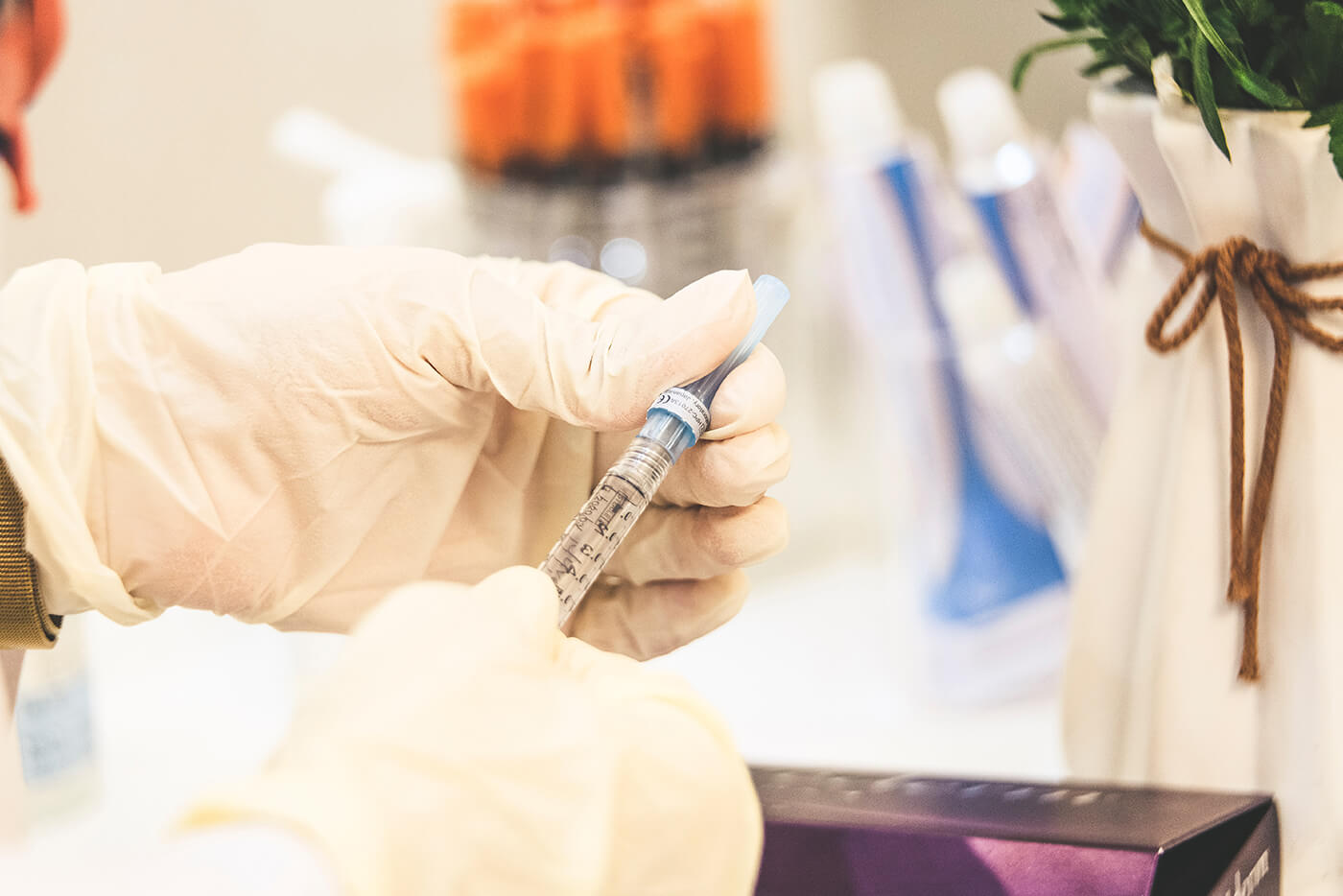
A facelift usually takes between two and four hours, depending on its extent. The operation is performed under general anesthesia. Incisions are planned so that the resulting scars are later hidden in natural skin folds or behind the hairline. After the procedure, a light dressing is applied to stabilize the tissue and reduce swelling.
Preparation and Individual Surgical Strategy
In the weeks before surgery, several important preparations are required:
- Discontinuation of blood-thinning medications in consultation with the doctor
- Complete smoking cessation at least four weeks before and after the procedure
- Pausing certain dietary supplements that may affect blood clotting
- Fasting from the evening before the operation
- Organizing aftercare and rest time for the first few days
On the day of surgery, the incision lines are marked again on the patient. The exact procedure is reviewed once more with the surgeon.
Gentle Techniques and Modern Anesthesia
Modern anesthesia methods ensure that the procedure is well tolerated. During surgery, fine instruments are used to treat the tissue as gently as possible. Blood vessels are precisely sealed to minimize bleeding. Suturing is performed in several layers to promote optimal wound healing.
Healing Process and Recovery Phase
intense. The healing process is typically divided into several phases:
- First 48 hours: Peak swelling, bandage is worn, rest is essential
- Days 3–7: Bandage is removed, swelling begins to subside
- Days 10–14: Sutures are removed, first social activities become possible
- Weeks 3–6: Noticeable improvement, return to normal activities
- From month 3 onward: The result becomes increasingly natural and visible
Most people are socially presentable again after about two to three weeks.
Realistic Expectations Regarding Swelling and Regeneration
Swelling varies from person to person. The final result is only fully visible after several months, once all swelling has completely subsided.
In the first weeks, the face may feel or look unfamiliar due to skin tightness. Patience is important, as the natural softness gradually returns. Follow-up appointments help monitor the healing process.
Long-Term Development of the Result
A facelift does not stop time, but it significantly slows its visible effects. Most people remain satisfied with their appearance ten to fifteen years after the operation. The face continues to age, but from a more favorable starting point.
Those who consistently use sun protection, avoid smoking, and maintain proper skincare tend to benefit from the results for a longer period.
How a Facelift Ages Over the Years
The operated tissues generally age more slowly than untreated areas because they have been repositioned. Nevertheless, they are still subject to natural aging processes. Skin continues to lose elasticity and volume gradually decreases.
However, these changes usually occur more slowly and harmoniously than without surgery. Many people report that even years after the procedure, they still look younger than they would have without a facelift.
Personal Consultation at Dr. Kelly®
The decision to undergo a facelift is very personal and should be carefully considered. At Dr. Kelly®’s clinic, individualized consultation is the central focus. Every patient is thoroughly informed about possibilities, risks, and realistic expectations.
The atmosphere is characterized by trust, discretion, and the commitment to achieving natural-looking results. State-of-the-art technology, well-founded surgical expertise, and a strong sense of aesthetic balance form the foundation of every treatment.


